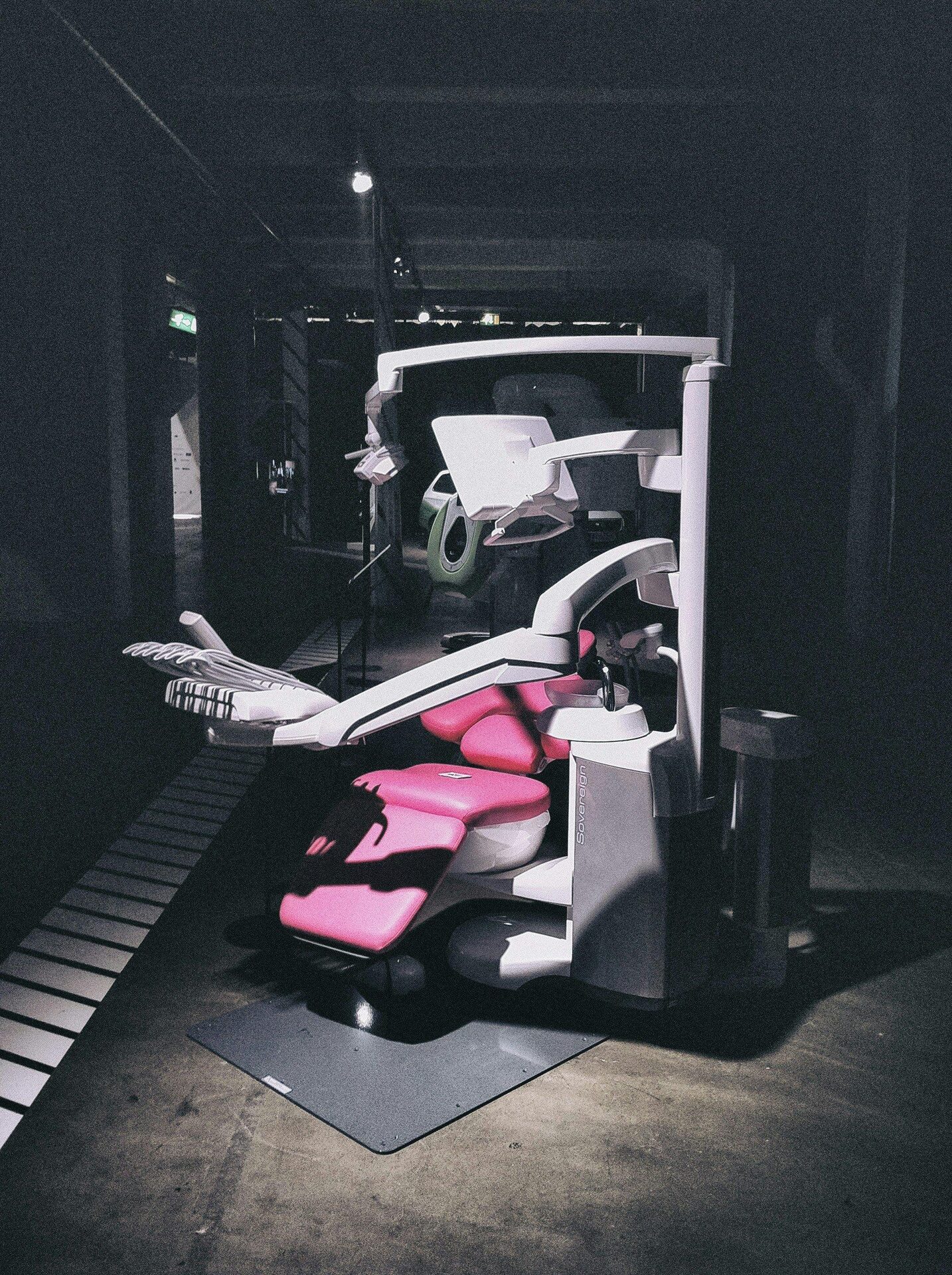
Investing in new medical equipment is a major step for any healthcare facility. Whether it is an ultrasound system, X-ray unit, patient monitor, infusion pump, defibrillator, oxygen blender, suction device, resuscitation kit, ECG/EKG machine, fetal monitor, pulse oximeter, or another critical device, proper installation and commissioning are essential to ensure safe, efficient, and compliant operation from day one.
Many providers underestimate how much happens between delivery and clinical use. Medical equipment such as X-Ray Machines, Ultrasound Systems, Patient Monitors, Infusion Pumps, and Defibrillators must be installed correctly, calibrated accurately, integrated into existing workflows, and checked for compliance before staff can rely on it in practice.
What is medical equipment installation and commissioning?
Medical equipment installation is the physical setup and configuration of a device within a clinical environment. Commissioning is the structured process of testing, calibration, verification, and handover that confirms the equipment is ready for use. This applies to all major equipment, including Oxygen Blenders, Suction Devices, and Resuscitation Kits.
Together, these steps help reduce setup errors, improve workflow readiness, and support compliance. For facilities introducing new imaging systems or devices, such as X-Ray Machines and Ultrasound Systems, this process is critical to long-term performance.
Why proper installation matters
Improper installation can lead to avoidable downtime, performance issues, user frustration, and delays in patient care. In more complex environments, poor setup can also affect data flow, connectivity, and diagnostic workflow, especially for devices like ECG/EKG Machines, Fetal Monitors, and Patient Monitors.
A structured installation process helps ensure equipment is configured correctly, integrated with the site, and ready for daily operation.
Step 1: Site assessment and planning
Before the equipment arrives, the site should be assessed for space, power, ventilation, access, connectivity, and operational requirements. For imaging environments, this stage is especially important because workflow, room readiness, and system compatibility can affect the success of the project from the start. This is particularly true for large equipment like X-Ray Machines and Ultrasound Systems.
If you are planning a larger deployment, our medical imaging and installation services can support site planning, workflow setup, and integration.
Step 2: Pre-installation preparation
Once requirements are confirmed, the site is prepared for installation. This may include verifying power availability, confirming network readiness, preparing mounting or placement areas, and making sure the clinical environment is ready for delivery and setup. For devices like Infusion Pumps and Patient Monitors, ensuring proper placement and connectivity is key.
Pre-installation preparation reduces delays and helps avoid costly rework after equipment arrives.
Step 3: Delivery and equipment installation
During installation, the equipment is positioned, assembled, connected, and configured according to site and manufacturer requirements. This is where technical accuracy matters most. Even small setup issues at this stage can affect later performance, especially for sensitive devices like Defibrillators, Oxygen Blenders, and Suction Devices.
For facilities introducing new devices, our equipment commissioning and installation service is designed to support smooth onboarding and immediate operational readiness.
Step 4: Calibration and performance testing
After setup, the equipment must be tested to confirm that it is functioning correctly. Calibration helps verify that measurements, outputs, and device behaviour are accurate and reliable. Performance testing helps identify issues before the equipment enters clinical use. This is especially important for Patient Monitors, Infusion Pumps, and ECG/EKG Machines.
This step is especially important for diagnostic and imaging equipment, where accuracy has a direct impact on clinical confidence and workflow efficiency.
Step 5: PACS and DICOM integration
For imaging environments, installation is not complete until the equipment communicates properly with the wider system. PACS is central to storing and viewing medical images, and DICOM is the standard used to exchange imaging data across systems. Proper configuration and testing are important for efficient workflow and image accessibility, especially for X-Ray Machines and Ultrasound Systems.
Our service offering includes PACS and DICOM integration as part of imaging deployment and workflow support.
Step 6: Compliance and documentation
Before equipment is handed over for clinical use, compliance checks and documentation should be completed. This may include calibration records, performance verification, and supporting documents for audit readiness and internal maintenance records. This is essential for all equipment, including Defibrillators, Resuscitation Kits, and Patient Monitors.
If compliance support is needed, our compliance and regulatory services cover calibration, performance testing, and documentation support.
Step 7: Staff handover and training
Equipment should not simply be installed and left behind. Staff need a clear handover process so they understand safe operation, workflow considerations, and what to do if issues arise. This is particularly important for complex devices like Ventilators, Patient Monitors, and Infusion Pumps.
Good handover improves confidence, reduces user error, and supports a smoother transition into clinical use.
Step 8: Ongoing support after commissioning
Commissioning is not the end of the equipment lifecycle. Ongoing support, troubleshooting, and maintenance help ensure the device continues to perform as expected over time. This applies to all critical equipment, from X-Ray Machines to Infusion Pumps.
For urgent issues after deployment, our technical support and troubleshooting services provide remote and on-site assistance.
Common installation mistakes to avoid
- Insufficient site preparation
- Delays in calibration and verification
- Incomplete workflow or connectivity testing
- Poor documentation at handover
- Limited user training before go-live
Final thoughts
Medical equipment installation and commissioning is much more than delivery and setup. It is a structured process that supports safety, performance, compliance, and workflow readiness from the start for all types of equipment, including X-Ray Machines, Ultrasound Systems, Patient Monitors, Suction Devices, Resuscitation Kits, ECG/EKG Machines, Fetal Monitors, and Pulse Oximeters.
With the right planning and technical support, healthcare providers can reduce avoidable issues, improve operational readiness, and get more value from their equipment investment.